
Reviewed · TOURS IN BLED
Quick Vertical Attraction – Via Ferrata Mojstrana
Mojstrana’s two via ferrata routes give you a clean choice: the Aljaževa route for first-timers and families, or the tougher Mojstrana Squirrels route for climbers who want more strain and more adrenaline. Both rise to Grančišče hill, with wide views toward the Julian Alps and Karavanke.
I like the included technical gear and instruction, since you do not need to arrive with a helmet, harness, or self-belaying system. I also like the careful guide support, with Gregor, Cveto, Igor, and Anita all noted for clear teaching, safety checks, and calm help when weather or nerves enter the picture.
The main consideration is fitness. The outing is only about three hours, but the harder route requires real strength and skill, and even the easier route involves exposed climbing. Pickup is included from Kranjska Gora, Mojstrana, and nearby accommodation toward Jesenice, while other pickups cost extra.
Key points to know before you book
- Two routes let you match the climb to your ability: Aljaževa is grade B, while Mojstrana Squirrels is grade C/D.
- The climb reaches 180 meters in height: Each route is about 250 meters long and finishes on Grančišče hill.
- All technical equipment is supplied: You can rent the helmet, harness, and self-belaying system from Kofler Sport.
- Guides focus on safe movement: Expect an equipment explanation and practice before the real ascent.
- Pickup makes the outing practical: Transfers are included from accommodation in Kranjska Gora, Mojstrana, and the range toward Jesenice.
- The group can be as large as 15 people: A minimum of two people is required for a booking.
Two routes, one useful choice
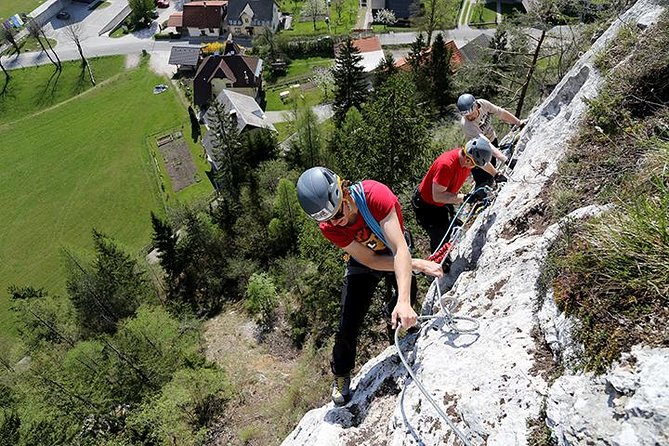
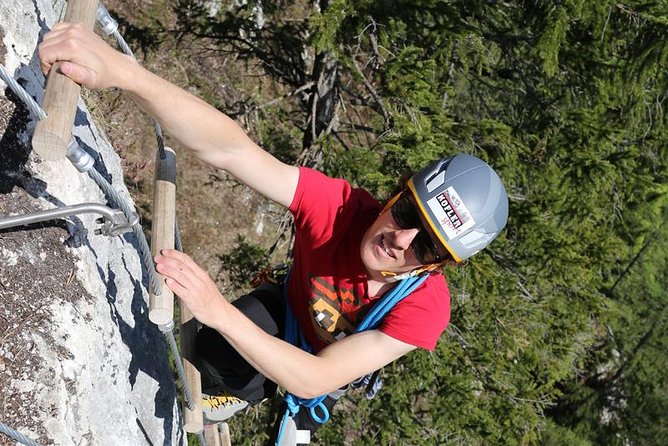
Via ferrata means an equipped climbing route, with fixed cables, footholds, and protection that let you move across rock while clipped into a safety system. You still need to climb under your own power, but the cable gives you a secure line as you work upward.
At Mojstrana, both routes share a short approach to the wall. That keeps the outing focused on the climb rather than a long walk before or after it. The two options also finish at the same place, Grančišče hill, so the real decision is how demanding you want the ascent to be.
The Aljaževa route is graded B. In the usual via ferrata scale, that means it is the better choice for beginners, families, and anyone still learning how to use the equipment. It is 180 meters high and 250 meters long, so easy does not mean flat or trivial. You still need to manage height, rock, balance, and steady movement.
The Mojstrana Squirrels route is graded C/D. This is a clear step up. It is intended for people with some previous experience who want a harder physical challenge. The route is also 180 meters high and about 250 meters long, but its grade means you should expect more demanding climbing and a greater need for strength and technique.
If your group has mixed abilities, the choice becomes especially useful. Some people can stay on the easier route while stronger or more experienced members take on harder sections. A guide can help you make that call rather than forcing the whole group into a route that does not suit everyone.
Other trips people book in Bled:
- Ljubljana: Savica Waterfall, Lake Bohinj, and Lake Bled Tour
★ 4.9 · 1,015 reviews - Canyoning Bled Slovenia
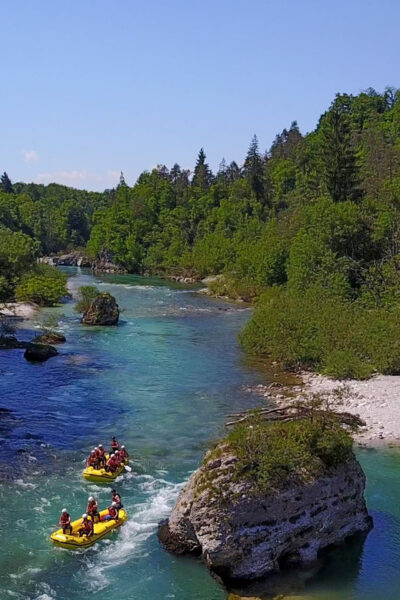
★ 5.0 · 408 reviews - Bled Rafting
★ 5.0 · 334 reviews
Kofler Sport sets you up before the rock
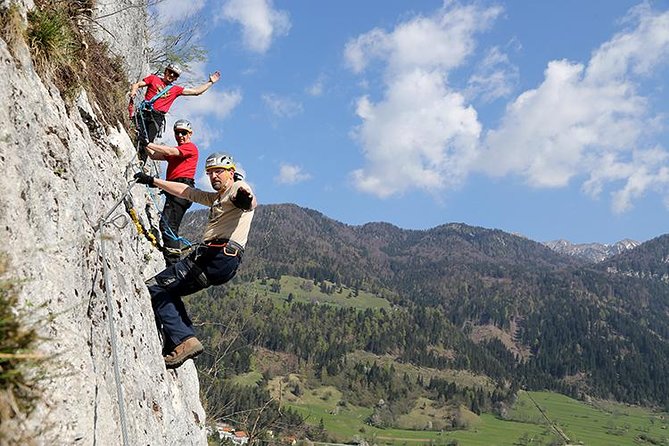
The activity begins at Kofler Sport, at Savska cesta 1 in Mojstrana. The listed start time is 8:30 a.m., and the full experience lasts about three hours. You can also be picked up from your accommodation in Kranjska Gora, Mojstrana, or along the range toward Jesenice.
Pickup from Bled is offered, but the exact transfer arrangement matters. The included pickup range is described as Kranjska Gora to Jesenice, while other pickup locations may involve an extra charge. Ask about the price before booking if you are staying outside that corridor.
Before you climb, the guide explains the equipment and how to use it. The key items are a helmet, climbing harness, and self-belaying system. This briefing is not filler. You need to understand how to clip and unclip safely as the fixed cable changes direction or as you pass protection points.
Gregor has been especially effective at explaining not only which equipment to use, but why some equipment is unsuitable for via ferrata climbing. That kind of explanation is useful if this is your first climb, since it gives you a better sense of what the system is doing rather than asking you to follow instructions by rote.
A practice section is also part of the preparation. You get a chance to handle the system before committing to the wall. If you feel nervous about heights, this is the moment to say so. Guides including Igor and Gregor have been praised for staying attentive to individual comfort and adjusting their help as people move upward.
The Aljaževa route is the sensible first climb
For a first via ferrata, the Aljaževa route offers the most balanced introduction. Its grade B rating makes it more approachable, but the 180-meter height still gives you a genuine mountain outing rather than a short indoor-style exercise.
I would choose this route if you are introducing children to protected climbing, if nobody in the group has used a via ferrata system before, or if you want to learn the basic movements without turning the day into a test of strength. The minimum age is seven, and children must be at least 125 centimeters tall.
The age rule is only a starting point. You should also consider whether a child can follow safety instructions, stay focused, and manage a physically active three-hour outing. The activity provider requires a strong level of physical fitness, so the minimum age does not mean every seven-year-old will be ready.
Families with teenagers can find a good middle ground here. One outing included children aged 11 and 15, along with an eight-year-old, and the guide kept a close eye on safety. That makes the family route appealing for groups where confidence and strength vary.
The climb is still exposed, and the experience of looking down from a fixed route can feel intense. If you are uneasy with heights, tell the guide early. A calm guide and a manageable grade can make a major difference, but no via ferrata removes the sensation of being above the ground.
The Mojstrana Squirrels route asks more of you
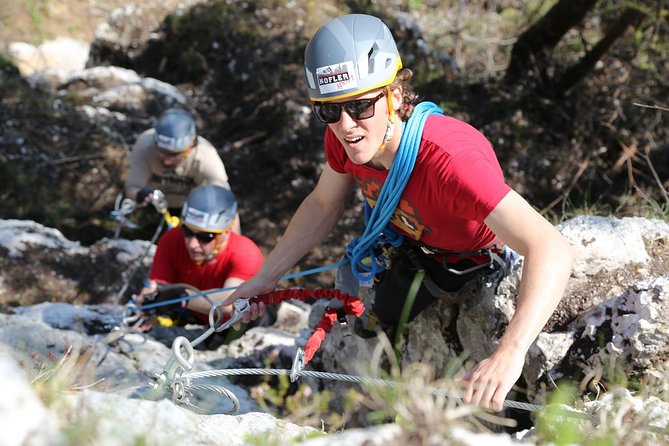
The C/D route is not simply the Aljaževa route with a different name. It is meant for climbers who already have some experience and want a more demanding outing. You need physical strength, good coordination, and enough comfort with the equipment to keep moving without constant basic instruction.
This is the route to choose if you have already used a via ferrata system or regularly climb and hike in mountainous terrain. The grade gives you a useful warning: the challenge is not only the height. The rock movement and protected sections require more effort and better technique.
A group can sometimes split its ambitions. Less experienced people may use the easier line while more confident members take harder sections. The guide can help with those decisions, which is valuable when a group arrives with different ideas about what moderate means.
Do not choose the C/D route just because the tour is short. Three hours can pass quickly, but a demanding climb can still leave you tired. The route requires strength even though it is only about 250 meters long, and the return walk comes after the ascent, not instead of it.
Same base, a different sort of day:
- Bled: Sava River Rafting Trip
★ 4.7 · 294 reviews - Triglav National Park : The Original Emerald River Adventure
★ 5.0 · 270 reviews - 2-Hour Interactive Wine Tasting Experience in Bled
★ 5.0 · 243 reviews - Bled: Guided Kayaking Tour in a Transparent Kayak
★ 4.9 · 191 reviews
Grančišče gives both routes a worthwhile finish
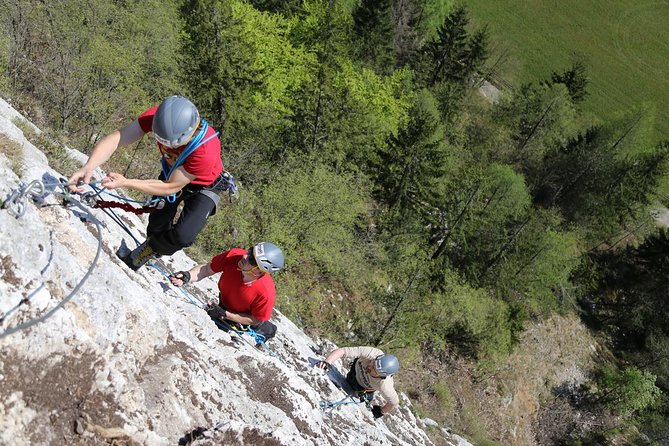
Both ferratas reach the top of Grančišče hill. This is where the effort pays off with views toward the Julian Alps and the Karavanke. You get a broader sense of the area from above, with the climbing route behind you and the mountain setting spread out around you.
The climb itself is the main attraction, but the summit matters. It gives you a clear endpoint and a moment to stop thinking about clipping, footholds, and hand position. For first-timers, reaching the top also gives the day a satisfying shape: instruction, practice, ascent, viewpoint, and descent.
The path down follows a marked route that leads almost back to the starting point. That is useful because you do not need to reverse the technical climb. It also means you should wear proper walking shoes, even though the supplied technical gear handles the protected sections.
The return is not described as a second technical route, so the hardest work is generally concentrated in the ascent. Still, remember that your legs may be tired after climbing. Move carefully on the marked path and keep your footwear secure.
Guides make the safety system useful
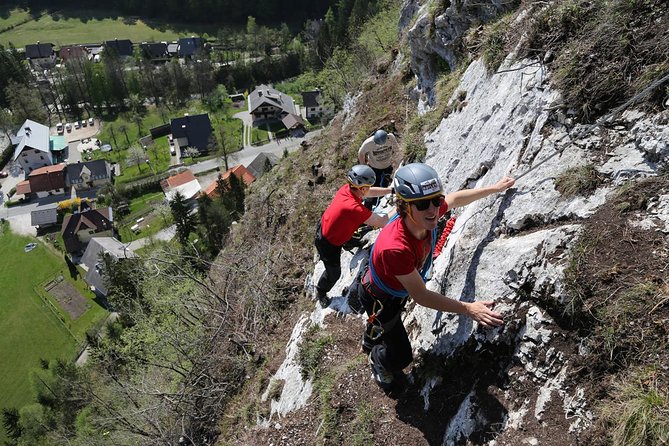
The equipment matters, but the guide makes it practical. Anita has led instruction and via ferrata courses, while Gregor has helped people understand the gear and coached them in English. Cveto has been singled out for strong organization and good timing around changing weather. Igor has also guided family groups with close attention to safety.
That range of experience is important because people arrive with different needs. A confident climber may need only a quick check and route advice. A beginner may need repeated reminders about clipping, body position, and where to place their feet.
The guide also controls the pace and watches the group. With a maximum of 15 participants, this is not a private climb, but it is still limited enough for the guide to keep track of the group. A smaller group would offer more personal attention, so ask about the expected group size if that is important to you.
Clear communication is another strength. The activity is offered in English, and Gregor has provided instruction and answered questions in English. If English is not your strongest language, you should still make sure you understand the safety briefing before starting.
Weather can change the plan, and that is a good thing
Via ferrata is weather dependent. Rock, cables, and exposed climbing are not a good mix with poor conditions, so the provider may change the date or cancel the outing if the weather is unsuitable.
That flexibility is worth protecting. Good organization around weather has been a repeated strength, and a guide may offer options when conditions shift. You should not expect a guaranteed climb at any cost. A weather-based change is safer and more sensible than pressing ahead on a wet or stormy route.
The free cancellation policy also gives you some protection. You can cancel for a full refund up to 24 hours before the start time. Cancellations or changes inside that 24-hour window are not refunded, and the local time cutoff applies.
Is $108.43 a fair price?
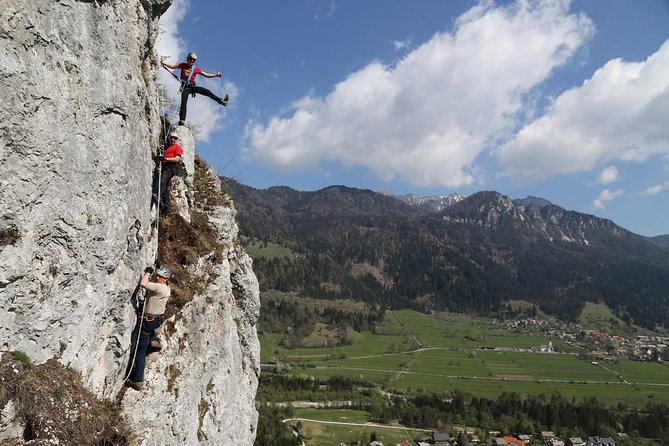
At $108.43 per person, this is not the cheapest short activity in the Bled region. But the price includes guiding, technical equipment, and transfers from the stated pickup area. If you would otherwise need to rent a helmet, harness, and self-belaying system, arrange transport, and find an instructor, the package becomes easier to justify.
The value is strongest for first-timers and families. You are paying for a controlled introduction, not just access to a rock wall. The equipment briefing, practice, route choice, and guide support reduce the guesswork that comes with trying a via ferrata on your own.
Experienced climbers may view the price differently. If you already own the gear, know the system, and can reach Mojstrana independently, you may prefer a longer or more advanced outing. This experience is best seen as a guided introduction or a compact family adventure, not a full-day alpine expedition.
The booking pattern also deserves attention. The activity is often reserved about 64 days ahead, so popular dates may fill early, especially during the main summer season. If your Slovenia plans are fixed, check availability before leaving this decision until the last minute.
What to bring and how to prepare
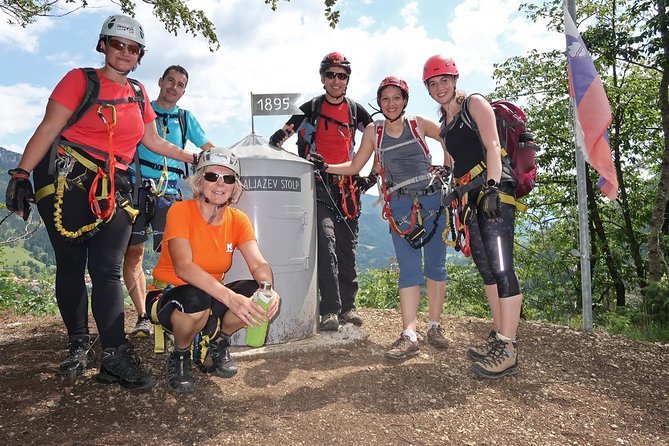
The technical gear is provided, so you do not need to bring a helmet, harness, or self-belaying system. You should still dress for active mountain use and wear sturdy footwear suitable for the marked descent.
Bring water and any food you need, since food and drinks are not included. The activity lasts around three hours, and you may appreciate a snack after the climb even if you do not need one during it.
Before booking, be honest about your fitness and experience. Choose Aljaževa if you are new to via ferrata climbing. Consider Mojstrana Squirrels only if you already have relevant experience and feel comfortable with a grade C/D route.
The tour requires at least two people per booking. The maximum group size is 15. It is near public transportation, but pickup is the easier choice if you are staying within the included area.
Who should book this Mojstrana climb?
I would recommend it to families with children who meet the age and height requirements, first-time climbers who want instruction, and active visitors staying in Bled or Kranjska Gora. It also suits anyone who wants mountain views without committing to a full day of technical climbing.
Choose the Aljaževa route for a careful introduction. Choose Mojstrana Squirrels if you already understand via ferrata movement and want the harder challenge. If your group includes both beginners and experienced climbers, ask the guide how best to divide the routes.
I would skip it if you dislike heights, cannot meet the strong fitness requirement, or want a relaxed sightseeing activity. This is a hands-on climb, not a viewpoint reached by an easy path.
For the right person, the package makes sense. You get the gear, the teaching, the transport option, and a proper climb to Grančišče hill without having to organize the technical details yourself.
FAQ
Where does the via ferrata experience begin?
The meeting point is Kofler Sport at Savska cesta 1, 4281 Mojstrana, Slovenia.
What time does the activity start?
The listed start time is 8:30 a.m.
How long does the experience last?
The activity lasts approximately three hours.
Which via ferrata routes are available?
You can choose between the grade B Aljaževa route and the grade C/D Mojstrana Squirrels route.
How high and long are the routes?
Both routes reach about 180 meters in height and are approximately 250 meters long.
What equipment is included?
Technical equipment rental is included. This covers the basic via ferrata equipment, including a helmet, harness, and self-belaying system.
Is guiding included?
Yes. A guide leads the activity and provides instruction on the equipment and safe movement.
Is hotel pickup available?
Pickup is available from accommodation in Kranjska Gora, Mojstrana, and the range toward Jesenice. Other pickup locations may require an extra payment.
What is the minimum age?
The minimum age is seven years, and participants should be at least 125 centimeters tall.
Can I cancel for a refund?
You can cancel up to 24 hours before the experience for a full refund. Cancellations or changes made less than 24 hours before the start time are not refunded. If poor weather causes the provider to cancel, you can choose another date or receive a full refund.
Just added in Bled
- Snowshoeing in Triglav National Park★ 5.0 · 4 reviews
- Bled Bike rental★ 4.5 · 9 reviews
- Vintgar gorge Transfer★ 4.0 · 12 reviews
- Winter Fairytale – Triglav National Park Half Day Trip★ 4.5 · 3 reviews
- Vintgar Gorge Best Experience with Tasting (Self guided)★ 4.5 · 14 reviews
- Via ferrata Triglav fairytale route★ 5.0 · 25 reviews
- White And Inspirational Kingdom – Ski Touring In Julian Alps★ 5.0 · 6 reviews
- Unforgettable Ski Touring Traverse-Snowy Embrace of Triglav National Park★ 5.0 · 7 reviews
Tours in Bled, compared.
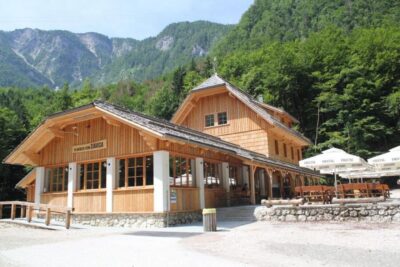
Savica Waterfall, Lake Bohinj, and Lake Bled Tour
Read our review →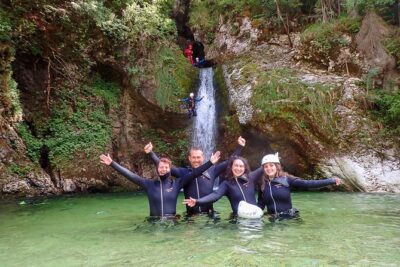
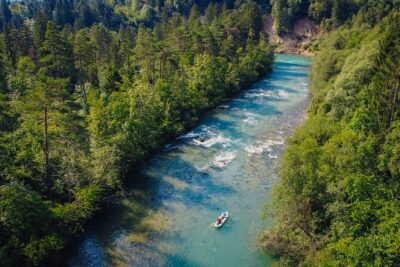
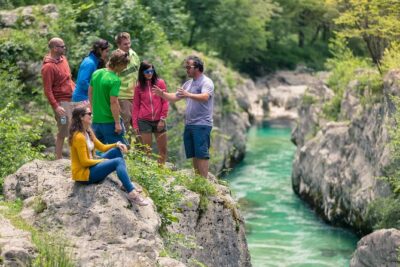
Triglav National Park : The Original Emerald River Adventure
Read our review →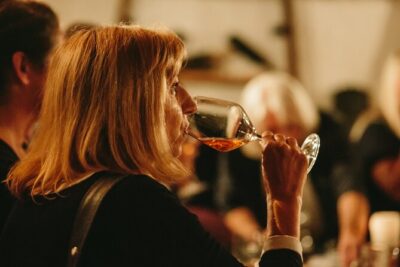
2-Hour Interactive Wine Tasting Experience in Bled
Read our review →
Browse the lists this tour appears in