
Reviewed · TOURS
Trieste: Ljubljana Capital of Slovenia Tour
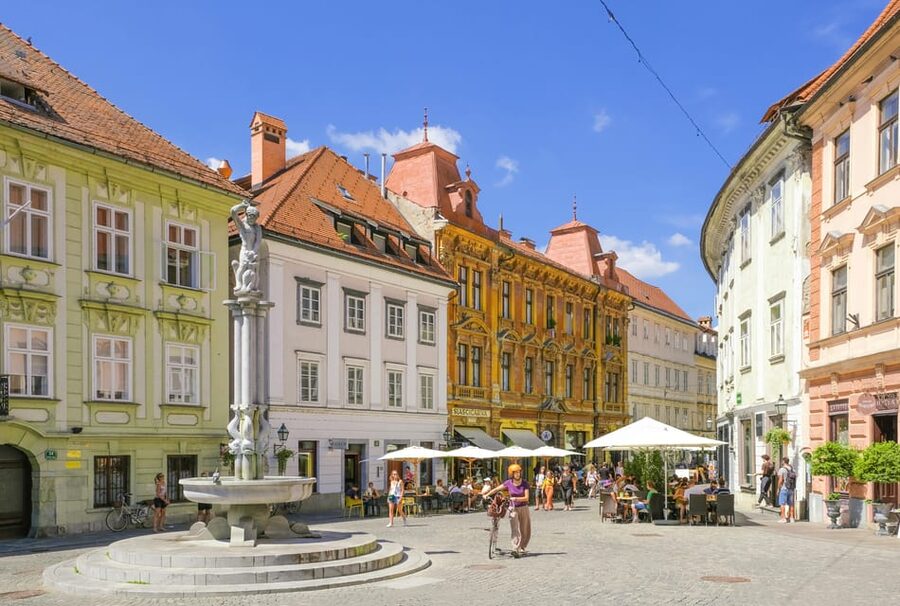
Ljubljana’s best feature is how much city life fits into a compact old center. The Ljubljanica River, castle hill, open squares, bridges, and cafés are all close enough to connect on foot, making this six-hour tour from Trieste a useful first look at Slovenia’s capital.
I like the focus on Jože Plečnik, the architect who shaped much of modern Ljubljana, and I like that the tour includes both a walking visit and the funicular up to Ljubljana Castle. The main caution is transport: one poor experience described a crowded van, weak commentary from the back seats, and limited comfort. Your enjoyment will depend heavily on the guide and vehicle arrangement.
Key points to know
- Plečnik’s Ljubljana: See how one architect reshaped the riverfront, bridges, squares, and public spaces.
- Castle Hill by funicular: The ticket and castle admission are included, along with broad views over the city and surrounding region.
- A compact sightseeing plan: Town Hall, Triple Bridge, Shoemakers’ Bridge, Cathedral, Robba Fountain, Prešeren Square, and Congress Square fit into one guided visit.
- Strong guide potential: Ernest and Dean received especially warm praise for clear explanations, helpfulness, and professional service.
- Walking matters: Comfortable shoes are important, and weather-appropriate clothing will make the six-hour outing easier.
- A transport question to consider: The vehicle experience may affect value, especially if you are placed in a back seat with poor sight lines or limited access to the guide’s commentary.
Why Ljubljana Works So Well as a Day Trip
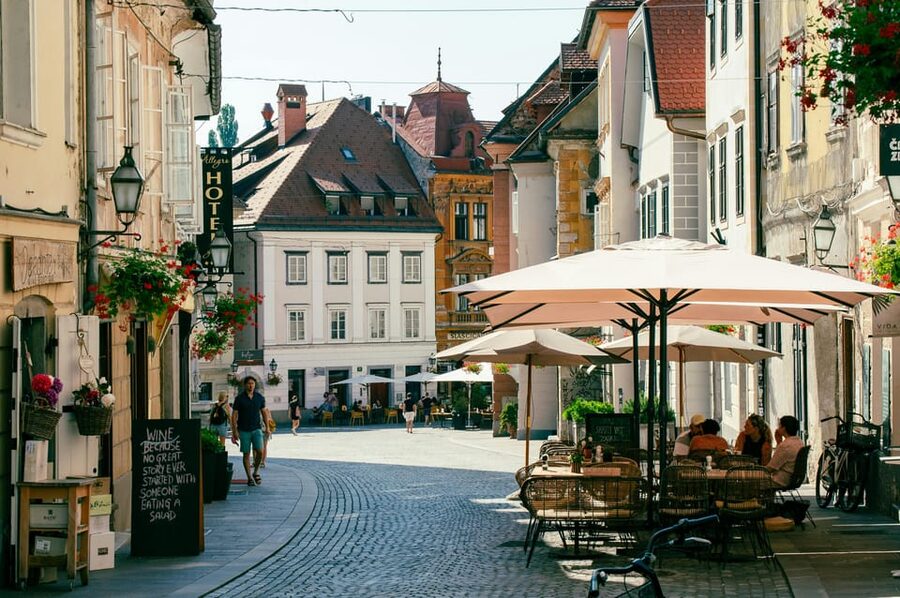
Ljubljana is small enough to understand quickly but layered enough to reward close attention. Its old center sits between the Ljubljanica River and the hill crowned by Ljubljana Castle. You are not being sent from one distant sight to another. Instead, the main visit links a series of nearby places that explain how the city developed.
That makes the tour a good choice if you are based in Trieste and want an introduction to Slovenia without arranging your own cross-border transport, route planning, and sightseeing schedule. You get a guided overview, time in the historic center, a ride up to the castle, and a return within a six-hour framework.
I would not treat this as a leisurely full-day exploration of Ljubljana. Six hours is enough for the main sights and a basic sense of the city, but it leaves limited room for long museum visits, extended shopping, or wandering far beyond the center. The appeal is efficiency.
The city also has an unusually relaxed feel for a national capital. You can see government, culture, old monuments, and everyday café life close together. That mix is one reason Ljubljana works well for a first visit.
Other trips people book in Ljubljana:
- Ljubljana: Postojna Cave & Predjama Castle Tickets and Tour
★ 4.9 · 2,146 reviews - Slovenia in One Day: Lake Bled, Postojna Cave and Predjama Castle
★ 5.0 · 879 reviews - Ljubljana: Castle Entry Ticket with Optional Funicular Ride
★ 4.3 · 718 reviews
Following Plečnik Along the Ljubljanica
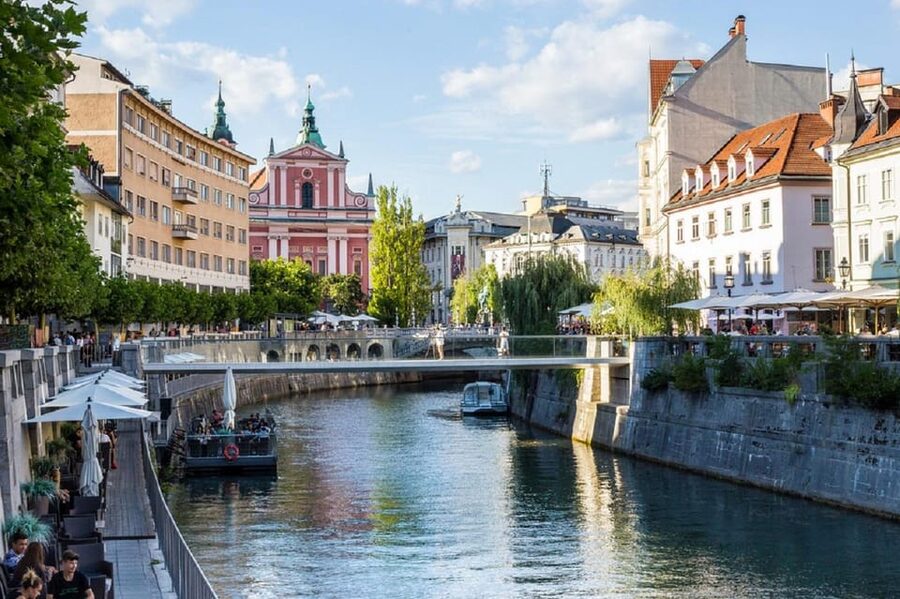
The architectural heart of the experience is the work of Jože Plečnik. His influence is especially clear along the Ljubljanica, where bridges, riverfront spaces, and public areas give central Ljubljana its recognizable shape.
Plečnik worked in the city for a little more than three decades. His contribution was not limited to one grand building. He helped reshape the urban center through a series of connected projects, turning a provincial city into a capital suited to the Slovene nation.
That context matters because the old town can otherwise feel like a pleasant collection of pretty buildings. A guide can help you see the plan behind it. Pay attention to how the bridges and squares frame the river, how people move through the center, and how older structures sit beside more modern civic design.
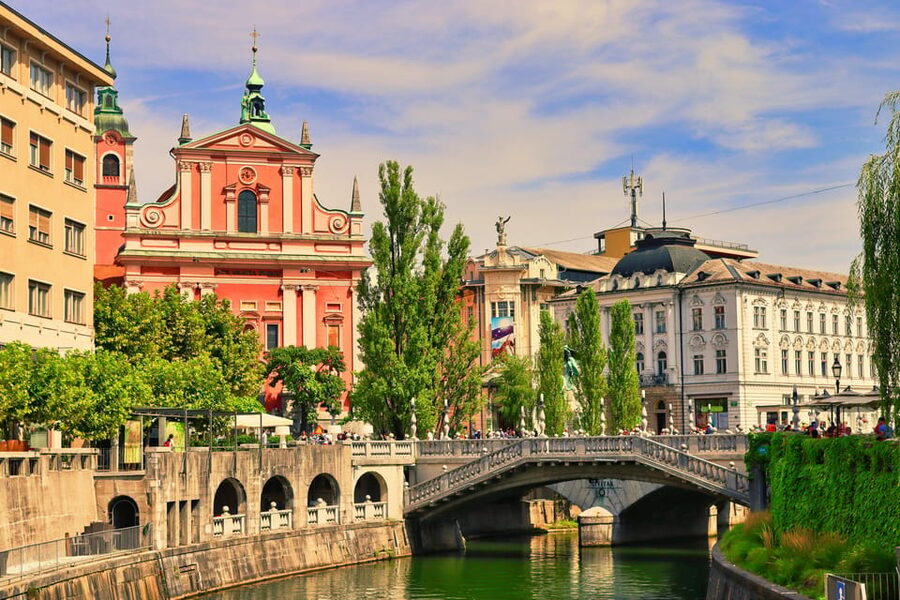
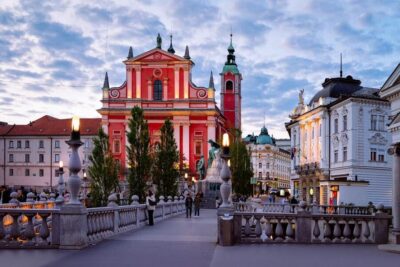
The Triple Bridge is one of the clearest examples. Rather than functioning as a single crossing, it creates a broad connection through the central part of town. It links the riverfront with Prešeren Square and helps explain why this part of Ljubljana feels open and walkable.
The Shoemakers’ Bridge gives you another view of Plečnik’s treatment of the river. It is a practical crossing, but also a designed public place. From here, you can better appreciate how much of Ljubljana’s identity is tied to the water.
Do not expect a long architecture lecture at every stop. Commentary quality can vary. Ernest was praised for giving clear explanations and useful trivia, while Dean was singled out for exceptional service. At the same time, one unhappy account described a driver who offered very little explanation and spoke mainly to a passenger in the front row. If your vehicle has several rows, stand or sit where you can hear clearly when the guide begins speaking.
The Main Squares and Monuments
The walking portion brings together several of Ljubljana’s most important sights. The sequence gives you a useful introduction, but remember that some stops may be viewing points rather than extended interior visits.
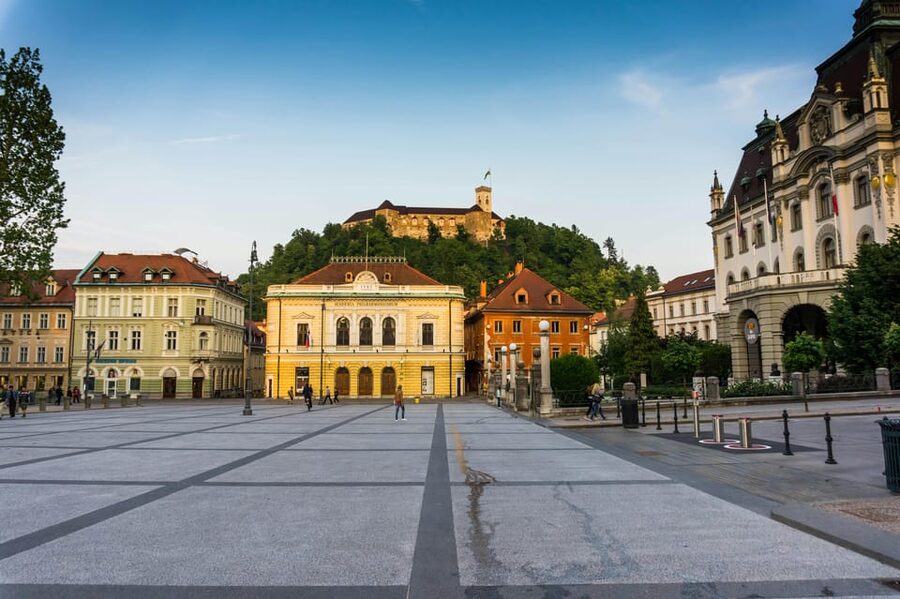
Prešeren Square is one of the city’s main gathering places. It connects the river, the Triple Bridge, and the old center, so it is a natural point for understanding Ljubljana’s layout. The square is also associated with France Prešeren, Slovenia’s best-known poet, though the supplied tour details do not specify how much time is devoted to his life or work.
Nearby, the Ljubljana Cathedral provides a religious counterpoint to Plečnik’s civic projects. Its presence helps show that the center is not only about bridges and public spaces. You are seeing the meeting point of religious, political, architectural, and cultural life.
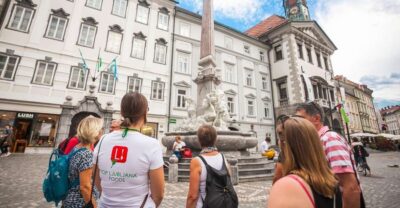
The Robba Fountain adds another layer. Its formal design gives the old center a strong visual focal point. A guide can help connect the fountain to the city’s earlier civic ambitions, rather than leaving it as a quick photo stop.
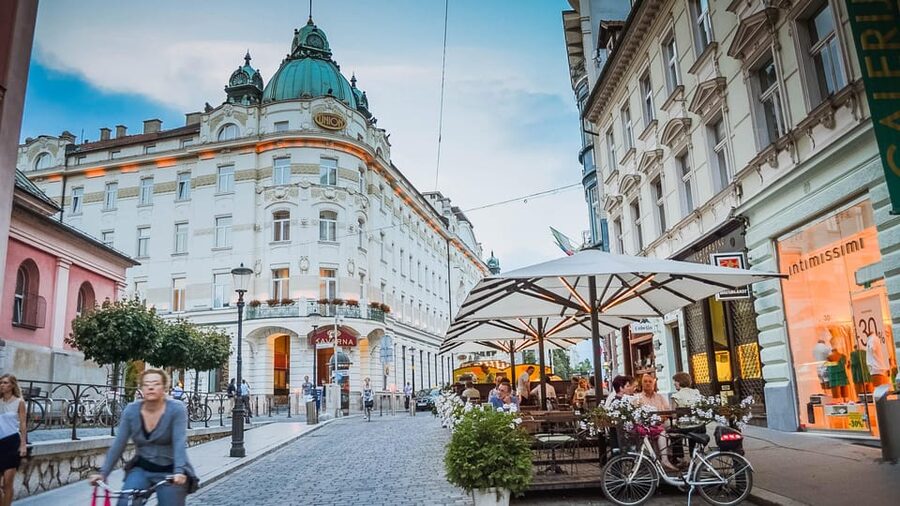
The itinerary also includes Ljubljana Town Hall and Congress Square. Town Hall represents the city’s administrative side, while Congress Square gives you a broader public setting and another chance to see how Ljubljana mixes historical architecture with active urban life.
These stops are valuable because they create a city story. You are not just collecting names. You are moving from the river to civic buildings, from religious architecture to public squares, and then upward to the castle. The route gives you a sense of how Ljubljana’s center is organized.
Watching for the Ljubljana Dragon
The dragon is Ljubljana’s city symbol, and it appears in two especially memorable places. You can see it on the tower of Ljubljana Castle and on Dragon Bridge, which crosses the Ljubljanica.
The dragon represents power, courage, and greatness. On a short tour, symbols like this are useful because they give you something concrete to look for as you walk. The bridge and castle also connect the city’s civic identity with its medieval story.
Dragon Bridge is not listed among the main stops in the same way as the Triple Bridge or Shoemakers’ Bridge, so the amount of time there may depend on the route and guide. Still, keep an eye out for the dragon during the river portion. It is one of the city’s easiest details to miss if you are focused only on the larger buildings.
I like this kind of detail on a guided outing. It gives the city a sense of personality without requiring a long museum visit. You can also use the dragon as a simple way to remember Ljubljana after the tour.
Same base, a different sort of day:
- From Ljubljana: Lake Bled & Postojna Cave with Entry Tickets
★ 4.8 · 694 reviews - From Ljubljana: Guided Day Tour to Soča and Kranjska Gora
★ 4.9 · 584 reviews - Ljubljana: Guided Walk & Funicular Ride to Ljubljana Castle
★ 4.6 · 576 reviews - House of Illusions Ljubljana Entrance Ticket
★ 4.5 · 556 reviews
Riding the Funicular to Ljubljana Castle
The final major section takes you up Castle Hill by funicular railway. The ride is included, as is admission to the medieval Ljubljana Castle.
The funicular is the easiest way to reach the hill, and it saves energy after the walking route. You can walk up instead if you prefer, but the tour includes the railway ticket, so most people will likely choose the ride. The information provided does not specify how much independent time you get inside the castle, so you should think of this as a guided overview rather than a guaranteed deep visit to every castle room.
The castle is important not only for its medieval character but also for its position above the center. From the hill, you can look back over Ljubljana and the wider region. After seeing the city at street level, the view helps everything fall into place. The river, bridges, squares, and compact center become easier to understand from above.
This is also a good point to slow down and take photographs. The walking route introduces the details, while Castle Hill provides the broader view. That contrast gives the six-hour plan a satisfying shape.
If weather is poor, the castle section may be less rewarding, especially because the view is a major part of the appeal. Check the forecast and dress for the conditions. Comfortable shoes matter throughout, not only on the hill.
What the Guide Can Add
A strong guide makes this experience much more than a transfer from Trieste. The best guide will explain why Plečnik’s work matters, connect the city’s dragon symbol to the castle and bridge, and help you read the old center instead of simply pointing at it.
Ernest received especially strong praise for clear explanations, useful Slovenian trivia, and willingness to answer questions. Dean was also described as exceptionally kind and professional. Patrice praised a guide for both warmth and professionalism, while Brodie highlighted a charming local guide with strong subject knowledge.
Those comments point to the real value of the tour: local interpretation. You can walk across a bridge by yourself, but a good explanation can show why that bridge matters and how it fits into the city’s development.
Still, do not assume every departure will feel identical. One account described minimal commentary and a guide who could not be heard from the back of the van. Another said the experience felt mainly like transport, with a train seeming more comfortable and less expensive. That is a serious value concern, particularly if the vehicle is full.
When you board, try to position yourself where you can hear clearly. If the tour uses a vehicle with multiple rows, the front or middle may offer a better view and better access to the guide’s explanations. Keep belongings secure in crowded parts of the city, as advised.
Is $110 a Fair Price?
At $110 per person, the price is not simply paying for a castle ticket and funicular ride. You are also paying for transport from Trieste, a guided visit in English, and the convenience of covering the main Ljubljana sights within six hours.
The value is strongest when you want a structured cross-border day trip and do not want to organize the route yourself. The included castle admission and funicular ticket remove two small planning tasks, while the guide can give meaning to the architecture and city symbols.
The value is weaker if your main goal is inexpensive transportation. The critical experience described a van that was uncomfortable, crowded, and difficult to hear from the back. If the guide functions mainly as a driver, $110 can feel high compared with reaching Ljubljana independently.
You should also factor in what is not included. Meals and beverages are extra, so bring a plan for food or budget time and money for a meal during the outing. The tour length is fixed at six hours, and the description does not promise a dedicated restaurant stop.
The overall rating is 4.5 out of 5 from 12 ratings, with particularly warm praise for Ernest, Dean, and other guides who explained the city well. That suggests the tour can offer good value when the guiding and transport setup work as intended, but the range of experiences means you should pay attention to the practical details at departure.
Who Will Enjoy This Six-Hour Visit
I would choose this tour if you are staying in Trieste, want a first look at Slovenia, and prefer someone else to handle the cross-border route. It suits people who enjoy architecture, city history, public squares, and guided orientation more than long periods of free time.
It is also a good fit if you want Ljubljana’s essential sights in a single visit. Plečnik’s bridges, the Town Hall, Cathedral, Robba Fountain, Prešeren Square, Congress Square, the dragon, and the castle all appear in the plan.
You may want a different arrangement if you value spacious transport, quiet independent exploration, or detailed access to the castle interior. The experience is built around an overview. It is not presented as a museum-heavy or highly flexible day.
The tour is wheelchair accessible, which is useful, though the route includes considerable walking and a hilltop destination. Ask about the practical route details when booking if mobility needs affect your pace. The available information confirms accessibility but does not explain every surface, boarding arrangement, or interior access point.
English is the stated tour language. That makes it a straightforward option for English-speaking visitors, but there is no indication of multilingual guiding on this departure.
Booking Advice and Final Verdict
I would book this Ljubljana tour if convenience and a guided introduction matter more to you than the lowest possible price. The itinerary is well chosen, and the combination of Plečnik’s urban design, the river bridges, central monuments, Dragon Bridge, and Castle Hill gives you a clear picture of the city in one outing.
Before committing, I would ask about the vehicle, expected group size, and where the guide will provide commentary. Those details matter because a good local guide can turn the trip into a memorable city lesson, while a cramped ride with weak commentary can make the $110 price feel hard to justify.
Choose comfortable shoes, check the weather, keep valuables close, and expect to walk. With a strong guide such as Ernest or Dean, this is a practical and appealing first visit to Ljubljana. If you want an independent day with maximum comfort and free time, arrange your own transport instead.
FAQ
How long does the Ljubljana tour from Trieste last?
The tour lasts six hours.
What language is the guided tour in?
The live guided tour is conducted in English.
Are Ljubljana Castle admission and the funicular included?
Yes. The price includes admission to Ljubljana Castle and a funicular railway ticket to Castle Hill.
Which Ljubljana sights are included?
The route includes Ljubljana Town Hall, the Triple Bridge, Shoemakers’ Bridge, Ljubljana Cathedral, the Robba Fountain, Prešeren Square, Congress Square, and other central attractions. It also highlights the Ljubljana dragon and includes Ljubljana Castle.
Are meals and drinks included?
No. Meals and beverages are not included in the tour price.
Is the experience wheelchair accessible?
Yes, the activity is listed as wheelchair accessible. It also involves considerable walking, so you should check practical route details if you have specific mobility needs.
Just added in Ljubljana
- Gokart experience at Woop! karting – the fastest attraction★ 4.0 · 5 reviews
- Woop! Fun park with 21 attractions★ 4.6 · 3 reviews
- Zagreb: Postojna Cave, Predjama Castle & Ljubljana in a Day★ 3.4 · 11 reviews
- Woop! Glow golf: Ljubljana Btc City★ 4.8 · 14 reviews
- Private Zagreb Tour from Ljubljana★ 4.5 · 3 reviews
- Wine and Culinary Adventure in Jeruzalem – Full Day Tour from Ljubljana or Ptuj★ 5.0 · 5 reviews
- rafting on sava river in bled slovenia, the best rafting trip in the area★ 5.0 · 14 reviews
- Historic Ljubljana Tour with Ljubljana Castle included★ 5.0 · 11 reviews
Tours, compared.
Postojna Cave & Predjama Castle Tickets and Tour
Read our review →
Savica Waterfall, Lake Bohinj, and Lake Bled Tour
Read our review →
Half-Day Rafting Tour on Soča River with Photos
Read our review →
Slovenian culinary experience in Ljubljana – small group – tour
Read our review →
Browse the lists this tour appears in