

Reviewed · TOURS IN LJUBLJANA
Coffee Sensory Training in Ljubljana
The most useful part of this Ljubljana experience is that it teaches you how to judge coffee, not simply how to drink it. Over about seven hours, you calibrate your sense of taste, identify aromas, compare coffee profiles, and sit both a theory and practical exam for the Specialty Coffee Certificate CSP Sensory Skills Foundation.
I like the private format, since your group can work at its own pace, and I like the clear mix of science and hands-on tasting. Instructor Lev is singled out for making the subject engaging and for answering almost any coffee question. The main concern is the amount of coffee involved. You are advised to spit it out, but one participant still felt dizzy by the end.
Key points
- Seven hours of structured training: This is a serious workshop, not a quick café tasting.
- Led by Lev: His coffee expertise and friendly teaching style receive especially strong praise.
- Taste like a professional: You practice identifying basic tastes, aromas, subtle flavors, and coffee profiles.
- Theory and practical exams included: You can work toward the internationally recognized CSP Sensory Skills Foundation certificate.
- Private English-language activity: Only your group participates, with a 10:00 am start at Dunajska c. 61.
- Plan for the caffeine: Spitting is recommended, and snacks and water are included, but lunch is not.
What the seven-hour Ljubljana workshop teaches you
This course focuses on sensory skills, the part of coffee training that asks why one cup tastes sweet, sharp, fruity, floral, earthy, or flat. You are not simply handed a polished cup and told what to think. Instead, you work on your own senses and learn how to describe what you detect.
The day is built around two goals. First, you learn to recognize basic tastes and aromas. Second, you use those skills to evaluate coffee in a more disciplined way.
That difference matters. Many coffee fans know what they like, but cannot explain why. This workshop gives you a shared vocabulary and a method. You learn to separate personal preference from quality, which is useful if you work with coffee, buy beans, or simply want to understand your morning cup better.
The course also includes a theory exam and a practical exam. Passing them can lead to the Specialty Coffee Certificate CSP Sensory Skills Foundation, an internationally recognized qualification. The supplied information does not promise a particular result or explain the scoring, so you should treat the certificate as a goal rather than an automatic part of the booking.
A few more things to do in Ljubljana worth a look
- 2-Hour Specialty Coffee tasting in Ljubljana
★ 5.0 · 12 reviews - Introduction to the Specialty Coffee world in Ljubljana
★ 5.0 · 3 reviews
Arriving at Dunajska c. 61 at 10:00 am
You meet at Dunajska c. 61, 1000 Ljubljana, at 10:00 am. The location is near public transportation, which makes the start easier to reach without arranging a private transfer.
The activity returns to the same meeting point after about seven hours. That simple start and finish are helpful if you are planning the workshop around other Ljubljana plans. Still, reserve most of the day for it. This is not an hour-long tasting you can fit between two sightseeing stops.
The private setup is one of the strongest practical features. Only your group takes part, so the session should feel more focused than a large public class. It also makes the experience a sensible option for a couple or a small group of friends with a shared interest in coffee.
You receive confirmation at booking, and the experience is offered in English. The information provided does not give a detailed room description or a full timetable, so you should not expect a stop-by-stop sightseeing tour of Ljubljana. The value is inside the training room, at the tasting table.
Calibrating your sense of taste
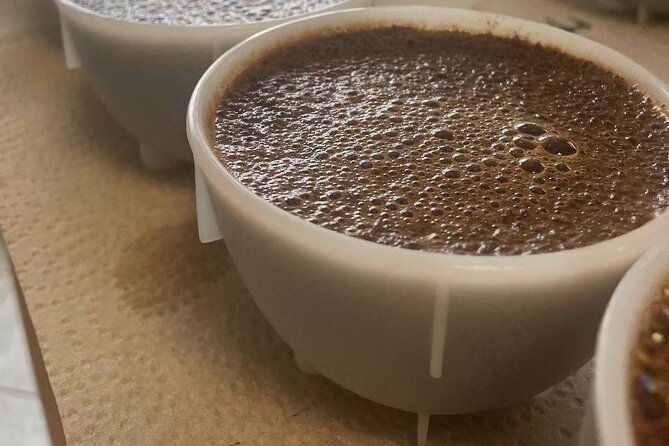
The early work centers on basic tastes. This sounds simple, but it is the foundation of professional tasting. Before you can judge a coffee, you need to recognize what your own palate is sensing.
You learn to distinguish the building blocks of taste and to notice how they affect a cup. A coffee may seem sweet, acidic, bitter, or balanced, and the course helps you identify those qualities with greater care.
This calibration work is valuable because your senses are personal and change from day to day. A strong snack, a tired palate, or too much coffee can affect what you notice. By practicing basic tastes in a guided setting, you gain a more consistent way to assess coffee.
I would expect this section to suit both beginners and experienced coffee drinkers. You do not need to arrive with professional training. At the same time, someone who already spends time comparing beans or brewing methods will have plenty to work on.
The key is patience. Coffee tasting is not a guessing contest. You are training yourself to notice small differences, then putting those observations into words.
Finding aromas hidden in the cup
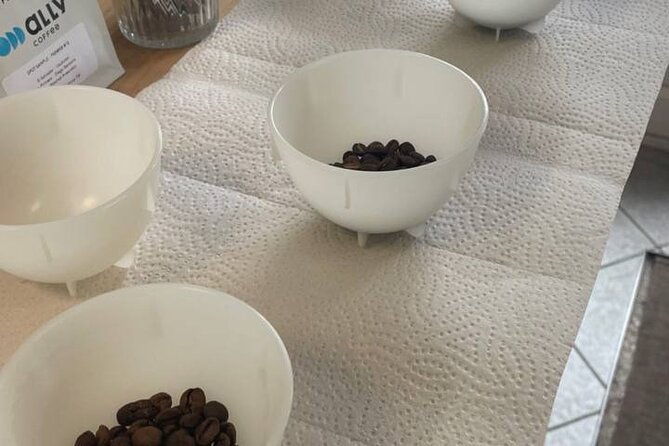
The aroma work adds another layer. Coffee can contain many scent impressions, and the course teaches you to identify which aromas may be present in a coffee.
This is where the workshop becomes more than a lesson in bitterness and acidity. Smell shapes much of what you experience as flavor, yet aromas can be hard to name. The training gives you a way to pay attention to them instead of letting them pass unnoticed.
You practice detecting subtle differences in a coffee’s aroma profile. That may help you understand why two coffees with similar strength can feel completely different. It can also make ordinary café visits more interesting, since you begin to notice details you previously grouped together as simply coffee.
The supplied details do not list the specific coffees or aroma samples used. That is worth noting if you want a highly predictable tasting menu. The focus is on learning the method and trying various coffees, rather than on a published lineup of rare or named beans.
Same base, a different sort of day:
- Ljubljana: Postojna Cave & Predjama Castle Tickets and Tour
★ 4.9 · 2,146 reviews - Slovenia in One Day: Lake Bled, Postojna Cave and Predjama Castle
★ 5.0 · 879 reviews - Ljubljana: Castle Entry Ticket with Optional Funicular Ride
★ 4.3 · 718 reviews - From Ljubljana: Lake Bled & Postojna Cave with Entry Tickets
★ 4.8 · 694 reviews
Learning to evaluate coffee like a professional
The practical heart of the day is evaluation. You train to distinguish small changes in taste and aroma, then consider what those changes say about the coffee’s profile.
This is the part that makes the course especially useful for serious coffee fans. You are not being told that one style is better than another. Instead, you learn how to assess what is in the cup.
That skill can change the way you shop for coffee. Instead of relying only on roast labels or broad descriptions, you may become better at noticing balance, aroma, and flavor differences for yourself. It also helps you explain your preferences clearly when buying beans or ordering a drink.
A participant described the practical evaluation as the most interesting part of the event. That matches the structure of the course: tasting becomes active work rather than passive sampling.
There is a friendly side to the training, too. The atmosphere is described as welcoming, and Lev is praised for answering coffee questions. If you are the sort of person who can spend an afternoon discussing brewing, origins, or flavor notes, you will probably appreciate the chance to ask questions as they arise.
Meeting Lev and working in a private group
Instructor Lev is the clearest human highlight of the experience. He is praised for combining expertise with enthusiasm, which matters during a long technical workshop. A dry lecture could make seven hours feel endless. A teacher who can explain difficult ideas and respond to questions makes the day much easier.
You should expect an instructor-led course rather than an independent tasting. Lev guides the sensory exercises, explains the theory, and oversees the practical work. The exact timetable is not provided, so I would not promise a precise division between lecture, tasting, and exams.
The private arrangement works well for a couple. One person can ask basic questions without feeling out of place, while a more experienced coffee drinker can pursue detailed points. It also lets the group share the experience instead of being mixed into a large public class.
The course accepts people over 18 for coffee-related workshops. There is no age limit for drinking coffee itself, but this particular workshop is intended for adults. Keep that distinction in mind when planning a family activity.
The coffee quantity and the need to pace yourself
The biggest practical caution is caffeine. You will taste enough coffee to practice comparison and evaluation, and the amount can feel substantial over a full day.
Spitting out the samples is recommended. That reduces how much caffeine you consume, but it may not eliminate the problem entirely. One participant still felt dizzy by the end and suggested serving less coffee next time.
Take that warning seriously. If you are sensitive to caffeine, ask about pacing when you arrive. Use the water provided, take advantage of the snacks, and do not feel pressured to swallow every sample. Sensory training depends on attention, not on finishing every cup.
The available details do not say how much coffee is served or whether decaffeinated samples are available. If caffeine affects you strongly, contact Specialty Kava Slovenia before booking and ask about the tasting quantity and options.
This is also why the course may not suit someone seeking a relaxed, low-key café outing. There is a difference between enjoying two carefully prepared drinks and evaluating many samples in one day. The latter demands concentration and restraint.
Water, snacks, and the missing lunch
Bottled water, coffee and/or tea, and snacks are included. Those provisions make sense for a long sensory session. Water helps clear your palate, while snacks can help you manage a morning and afternoon of tasting.
Lunch is not included. Since the experience lasts about seven hours and begins at 10:00 am, plan for that gap. The information does not say whether you leave the venue for lunch, how long a break lasts, or whether food is available nearby.
I would not arrive expecting a full meal. Eat sensibly before the workshop, but avoid anything that could overpower your palate if you want to make the most of the tasting exercises. Bring your own lunch plan rather than assuming the included snacks will carry you through the entire day.
Alcoholic beverages are also not included. That is hardly surprising for a sensory course, and alcohol would not be a useful match for careful palate training anyway.
Is the $355.04 price fair?
At $355.04 per person, this is an expensive coffee activity. You are paying much more than you would for a standard café tasting or a short introductory class.
The price makes more sense if you value the training and certificate. The course lasts about seven hours, includes private instruction, provides coffee, tea, water, and snacks, and includes theory and practical exams for the CSP Sensory Skills Foundation. For someone pursuing coffee work or formal skills, those elements may justify the cost.
For a casual coffee drinker, the calculation is different. You may enjoy tasting several coffees and learning new terms, but the certificate and exam structure may not matter enough to support the price. Ljubljana offers many cheaper ways to enjoy coffee, even though they will not provide this level of sensory instruction.
The private format also affects the value. A couple or small group can share one focused session, ask personal questions, and learn without strangers joining the activity. If you are booking alone, the price feels harder to justify unless the certificate has real value for your plans.
Before paying, decide what you want from the day. If you want a serious introduction to professional sensory evaluation, the cost is easier to defend. If you want a fun coffee-themed afternoon, this may be more training than you need.
Who should book this sensory course?
I would recommend it most to:
- Coffee professionals or aspiring professionals who want a formal sensory foundation
- Serious home brewers who enjoy comparing flavors and aromas
- Coffee fans interested in an internationally recognized certificate
- Couples looking for a private activity with a shared learning goal
- Adults who are comfortable spending most of a day on tasting exercises
You should think twice if you dislike strong coffee, react badly to caffeine, or want a short and casual experience. The seven-hour duration and exam component give the day a school-like structure.
It is also a better match for curious, patient people than for anyone seeking instant certainty. Sensory skills develop through repeated practice. You may not suddenly identify every aroma after one session, but you will leave with a clearer method for paying attention.
Booking, cancellation, and practical planning
The activity starts at 10:00 am and ends back at Dunajska c. 61. It is near public transportation, and confirmation arrives when you book.
You can cancel for a full refund if you do so at least 24 hours before the local start time. Changes or cancellations made less than 24 hours before the experience are not accepted for a refund.
Since the session takes most of the day, avoid booking it on a morning when you have an important separate appointment. Keep your afternoon open, plan your meal, and arrive ready to taste rather than rush.
Should you book Coffee Sensory Training in Ljubljana?
Book it if you want structured coffee education, private instruction, and the chance to work toward the CSP Sensory Skills Foundation certificate. Lev’s teaching is a strong reason to choose this particular course, and the practical evaluation work gives the experience a clear purpose.
Skip it if you only want a pleasant coffee stop or if caffeine is a serious concern. The price is high, lunch is not included, and the quantity of coffee may test your limits even when you spit out the samples.
For the right person, this is a focused, useful day in Ljubljana. You leave with a sharper palate, a better vocabulary for coffee, and a more disciplined way to judge what is in your cup.
FAQ
Where does the coffee sensory training begin?
The experience begins at Dunajska c. 61, 1000 Ljubljana, Slovenia.
What time does the activity start?
The start time is 10:00 am.
How long does the training last?
The activity lasts approximately seven hours and ends back at the meeting point.
Is the course offered in English?
Yes. The activity is offered in English.
Is this a private activity?
Yes. Only your group participates.
What is included in the price?
Coffee and/or tea, bottled water, snacks, and the sensory training with theory and practical exams are included.
Can I cancel for a full refund?
Yes. You can receive a full refund if you cancel at least 24 hours before the local start time. Cancellations or changes made less than 24 hours before the start are not accepted for a refund.
Just added in Ljubljana
- Gokart experience at Woop! karting – the fastest attraction★ 4.0 · 5 reviews
- Woop! Fun park with 21 attractions★ 4.6 · 3 reviews
- Zagreb: Postojna Cave, Predjama Castle & Ljubljana in a Day★ 3.4 · 11 reviews
- Woop! Glow golf: Ljubljana Btc City★ 4.8 · 14 reviews
- Trieste: Ljubljana Capital of Slovenia Tour★ 4.5 · 12 reviews
- Wine and Culinary Adventure in Jeruzalem – Full Day Tour from Ljubljana or Ptuj★ 5.0 · 5 reviews
- rafting on sava river in bled slovenia, the best rafting trip in the area★ 5.0 · 14 reviews
- Private Zagreb Tour from Ljubljana★ 4.5 · 3 reviews
Tours in Ljubljana, compared.

Postojna Cave & Predjama Castle Tickets and Tour
Read our review →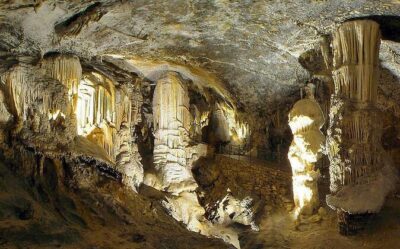
Slovenia in One Day: Lake Bled, Postojna Cave and Predjama Castle
Read our review →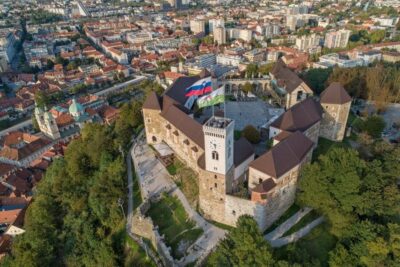
Castle Entry Ticket with Optional Funicular Ride
Read our review →

Guided Walk & Funicular Ride to Ljubljana Castle
Read our review →

Browse the lists this tour appears in