
Reviewed · COOKING CLASSES
Slovenia: Belokranjska Pogača Cooking Class
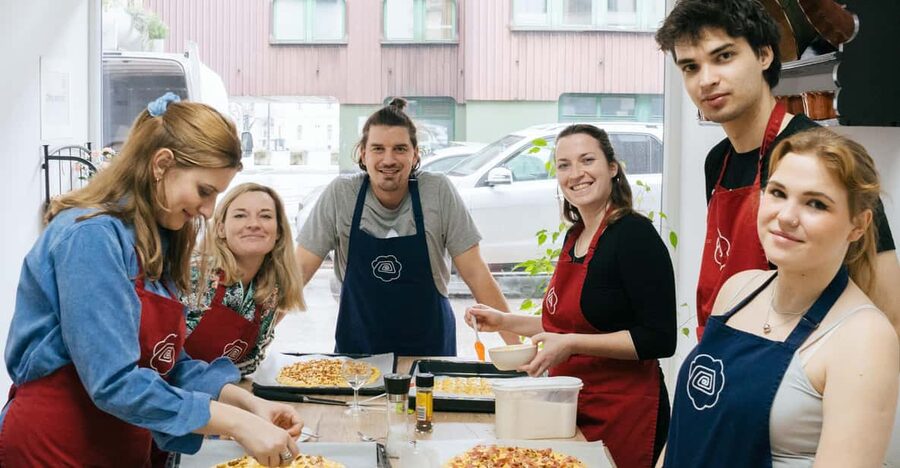
The best part of this class is that you do not simply eat a Slovenian specialty, you make it yourself. Around a kitchen table, Luka guides you through Belokranjska Pogača, a savory bread from Bela Krajina, while explaining how food connects with Slovenian family life and celebrations. I like the hands-on work and the chance to talk about Slovenia beyond the usual sightseeing stops.
I also like the small scale. With no more than 10 people, the class should feel personal, and it can sometimes operate as a private session for a solo participant. The main consideration is timing: the two-hour class includes waiting for yeast, rising dough, and baking, so this is a relaxed activity rather than a quick snack stop.
Key points at a glance
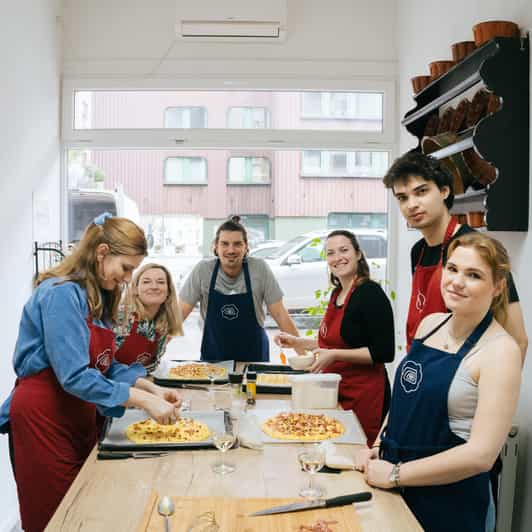
- Make your own Belokranjska Pogača: Knead, roll, shape, bake, and taste the bread yourself.
- Learn from Luka: English and Slovenian instruction, with clear explanations and plenty of conversation.
- Get Slovenian context with your food: The class covers the bread’s place in Bela Krajina, local customs, and the country’s past.
- Small groups keep it personal: The class is limited to 10 participants and may feel like a private lesson when numbers are low.
- Allow the full two hours: Yeast, rising dough, and baking are part of the experience, not wasted time.
- Plan your arrival carefully: Look for the small square, broken concrete fountain, and shop with the large clear window.
Making Bela Krajina’s bread your own
Belokranjska Pogača is more than a loaf placed beside a meal. It is a traditional Slovenian bread tied to the Bela Krajina region in the country’s southeast. The class gives you a practical way to understand that connection: you hear about the bread, work with the dough, and eat the result while it is still fresh.
I find cooking classes useful in Slovenia because they show you something a museum cannot. You learn how a dish fits into ordinary life, how people prepare it, and why it has lasted. Here, the subject is simple enough for a beginner, but the cultural setting gives the two hours more weight than an ordinary baking lesson.
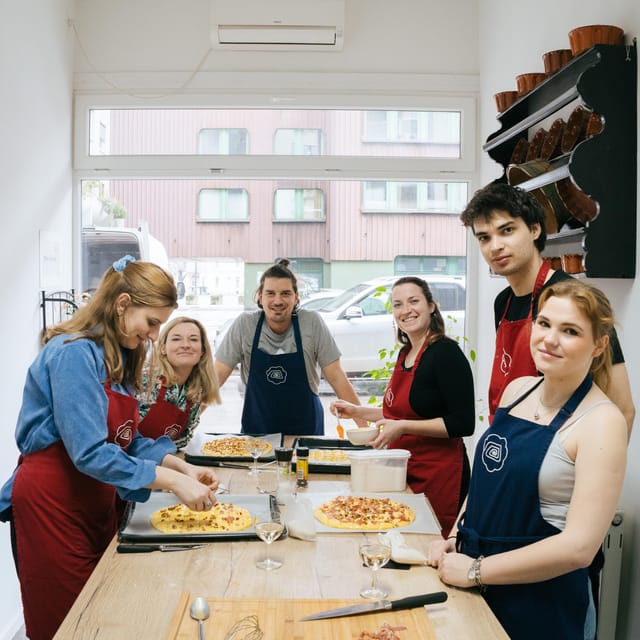
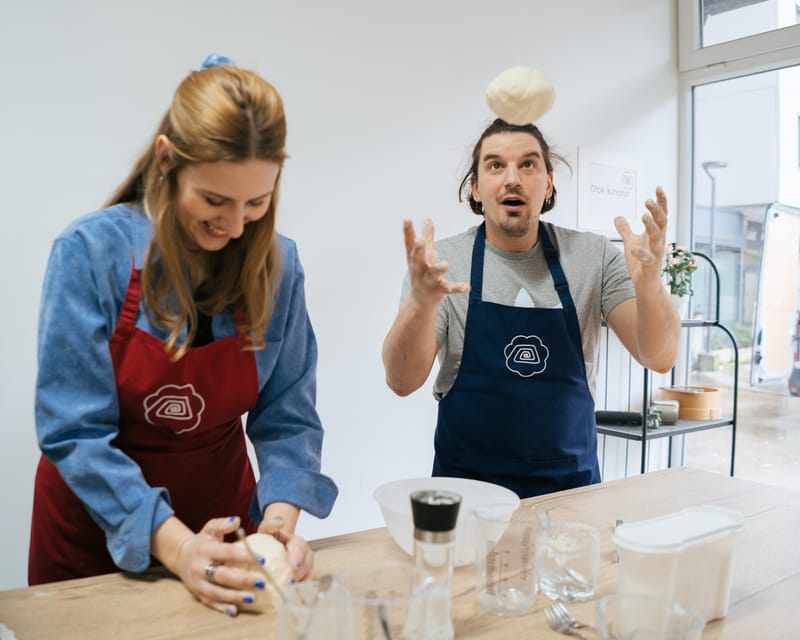
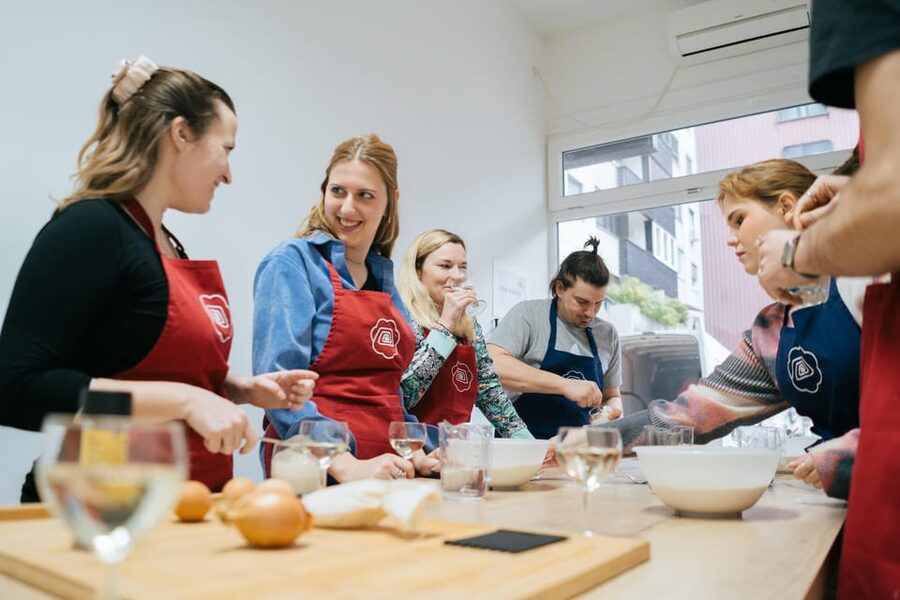
The class takes place in a cozy shop or kitchen setting around a large table. You receive the ingredients and equipment you need, so there is no need to arrive with baking tools or special supplies. Put on an apron, roll up your sleeves, and expect to work directly with the dough.
A few more things to do in Ljubljana worth a look
- Ljubljana: Traditional Slovenian štrukelj Cooking Class
★ 4.9 · 58 reviews - sLOVEnian Strukelj Traditional Cooking Class
★ 4.0 · 10 reviews - Private Mediterranean Fish Cooking Workshop with Irena
★ 5.0 · 118 reviews
What happens during the two-hour class
The session begins with an introduction to Belokranjska Pogača and its place in Slovenian culture. Luka explains the bread’s background and talks about Slovenia, its people, and its past. One particularly appealing part of the class is the conversation that develops while you wait for the dough. The baking process creates natural pauses, and those pauses leave room for questions.
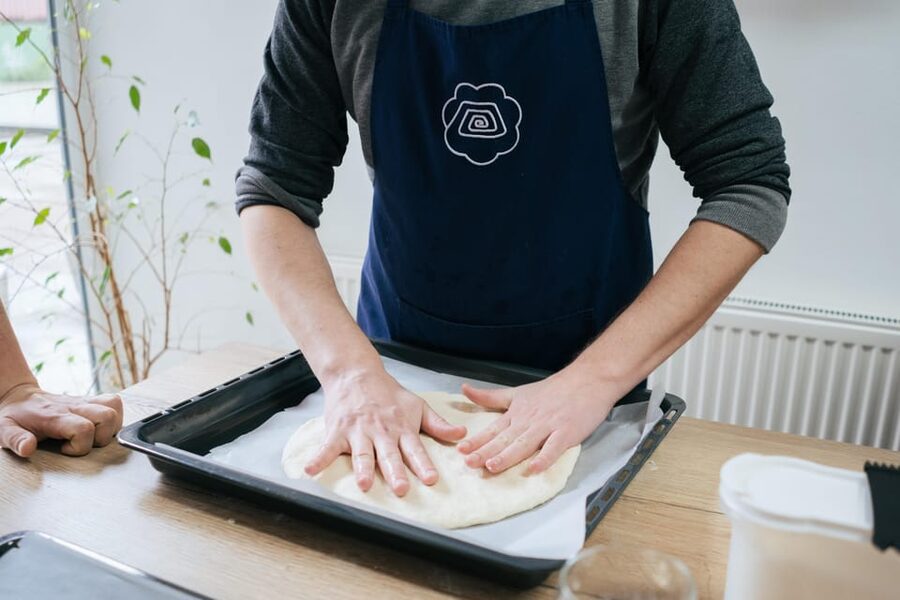
Next comes the practical work. You knead the dough, roll it, and shape it under guidance. This is not a demonstration where you stand at the edge of the room and watch an expert do everything. You take part in the key steps, with Luka explaining what to do and helping you feel comfortable with the process.
The dough then needs time to rise. Yeast-based baking cannot be rushed, and that is worth knowing before you book. The waiting period is built into the class, and it may include Slovenian wine or other drinks. It also gives you time to talk with Luka and the other people at the table.
When the dough has risen, it goes into the oven. You wait as the bread takes on its golden color and develops its crust. At the end, you taste the Belokranjska Pogača you made. The reward is not only the warm bread, but also the satisfaction of seeing each stage through from flour and dough to finished food.
Why the guide matters here
The host, Luka, is a major part of the appeal. He teaches in English and Slovenian, and his approach suits people who want more than a fixed recipe. You can ask about the bread, Slovenian customs, local places, and the country’s history while the dough rests.
The class also works well for families. Luka has been especially praised for working comfortably with children and teenagers, which matters when a young baker needs a little extra help or patience. The activity gives children a task they can touch and shape, rather than asking them to sit through a long cultural talk.
For adults, the conversation adds another layer. You may begin with questions about bread and end up talking about the country and its people. That informal exchange is one of the best reasons to choose a cooking class instead of a standard food tasting.
The booking information names Polak Tomaž as the experience provider, while the class details and participant accounts identify Luka as the host and instructor. If you need to coordinate arrival or parking, Luka can also be contacted through WhatsApp.
A small group with room to ask questions
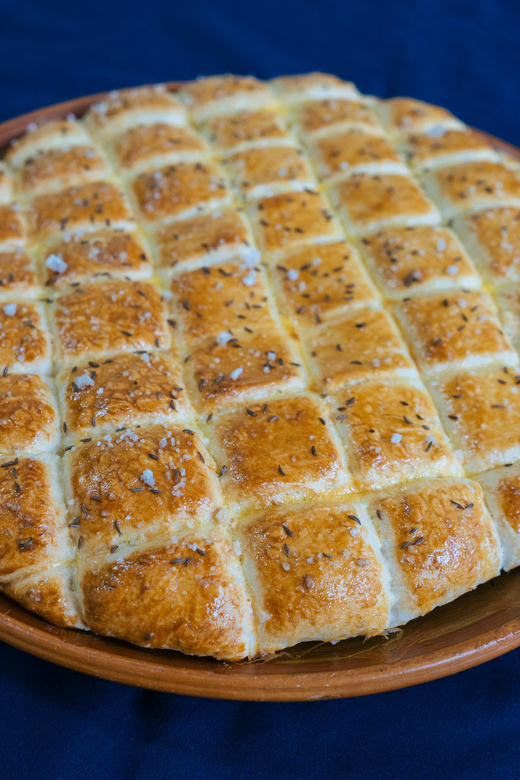
The maximum group size is 10 people. That is small enough for the instructor to watch your technique, answer questions, and help if your dough needs attention. It also keeps the big kitchen table from feeling like a formal class with rows of strangers.
Group size may vary. One session operated as a private class for a single participant, while another was arranged as a birthday surprise for a parent and daughter. If your group is small, you may get a very personal lesson, but you should not assume that every booking will be private.
The setup suits couples, families, solo visitors, and small groups of friends. It is also a good birthday-trip activity because the finished bread becomes part of the occasion. You leave with a skill and a shared memory rather than a souvenir that sits on a shelf.
Same base, a different sort of day:
- Ljubljana: Postojna Cave & Predjama Castle Tickets and Tour
★ 4.9 · 2,146 reviews - Slovenia in One Day: Lake Bled, Postojna Cave and Predjama Castle
★ 5.0 · 879 reviews - Ljubljana: Castle Entry Ticket with Optional Funicular Ride
★ 4.3 · 718 reviews - From Ljubljana: Lake Bled & Postojna Cave with Entry Tickets
★ 4.8 · 694 reviews
Finding the meeting point in Central Slovenia
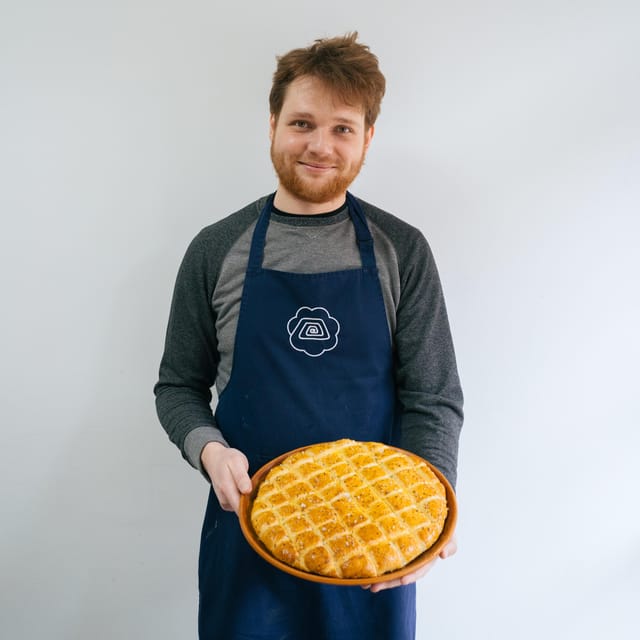
The directions are practical but not especially elegant, so read them before setting out. Once you are in the area, look for a small square surrounded by buildings with a broken concrete fountain in the middle.
The shop has a large clear window. You can reach it by passing a Chinese restaurant near the old church, or by using a small passage through a building near the bus stop. These landmarks matter because the meeting place may not be obvious if you are simply following a general map pin.
The location is easy to reach from the city center by bus, according to the class information. For parking, free spaces may be available on the platform behind the building in the morning. In the afternoon, contact Luka for help with parking. Since the directions include several visual clues, allow a few extra minutes rather than arriving at the exact start time.
What the $53 price includes
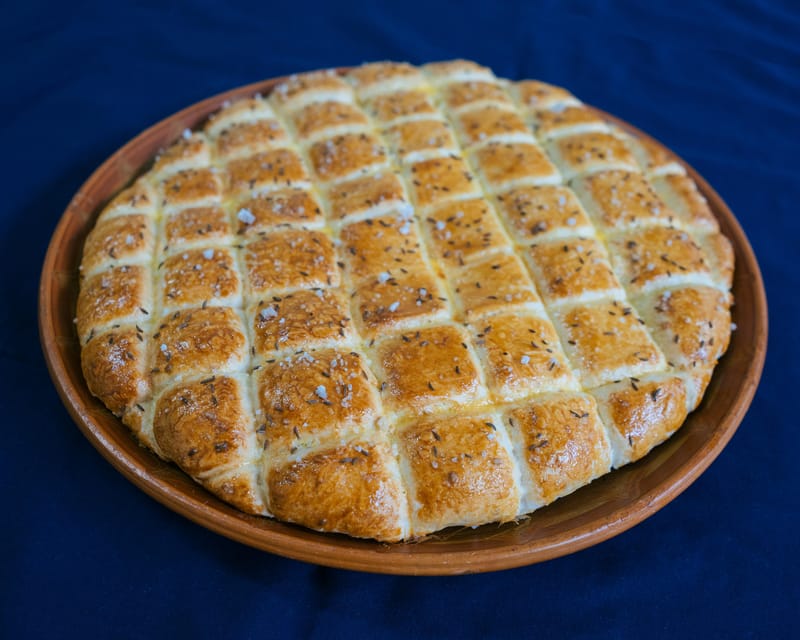
At $53 per person, the class is priced as a compact cultural activity rather than a cheap bakery lesson. The fee includes the instructor, ingredients, cooking equipment, the practical session, and the chance to bake and taste your own bread.
The value depends on what you want from a food experience. If you only want to try Belokranjska Pogača, a bakery or restaurant would probably cost less and take less time. If you want to understand how it is made, practice the method yourself, and talk about Slovenia while you wait for the dough, the price is easier to justify.
You are also paying for the setting and the guidance. A recipe alone cannot show you how the dough should feel in your hands or how to shape it with confidence. Luka’s help is built into the cost, as are the ingredients and equipment, so you do not need to buy anything extra for the class itself.
Drinks may also be offered, including Slovenian wine in some sessions. I would treat that as a pleasant addition rather than the main reason to book. The bread-making and cultural conversation are the core of the experience.
Who will enjoy this class most
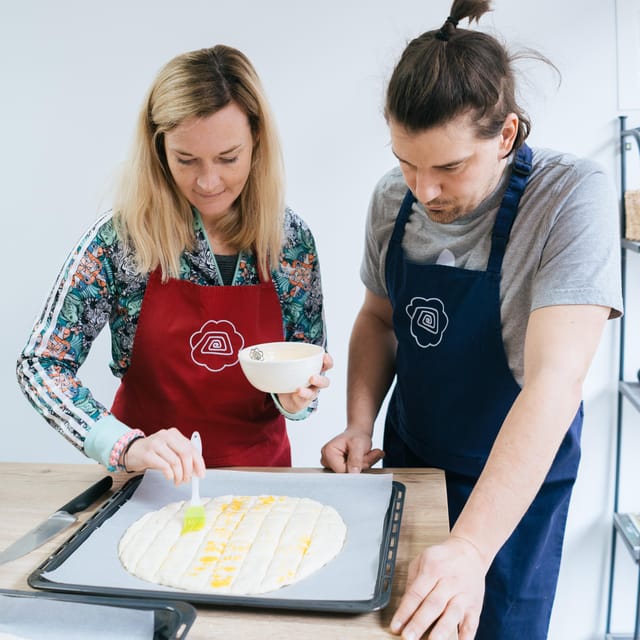
This is a strong choice if you like food with a sense of place. The class links a specific Slovenian bread to Bela Krajina, then lets you learn through your own hands. It is more rewarding for curious eaters than for people who want a polished meal served without effort.
Families should consider it, especially with children or teenagers who enjoy making things. The class has a manageable two-hour length, and the process includes several jobs that keep younger participants involved.
Solo visitors can also benefit. A one-person session may become a private class, and the format gives you an easy way to talk with a local host. Couples and friends will find it a pleasant shared activity, especially if they want a break from walking and sightseeing.
The class is wheelchair accessible. That makes it a practical option for visitors who need an accessible activity, though the supplied details do not describe the exact layout of every entrance or work surface. If you have specific access needs, contact the provider before booking.
What may not suit you
The class is not ideal if you have a tight schedule. Two hours is the stated duration, and the bread needs time to rise and bake. The pace is part of the charm, but it means you should not place the activity between two appointments with no spare time.
You should also expect participation. Kneading and shaping are central to the session. If you prefer a tasting where someone else does the preparation, this may feel like more work than you want.
The meeting point may take a little searching. The broken fountain, nearby Chinese restaurant, old church, bus stop, and large clear window are useful clues, but the directions are more local landmark based than simple. Save the details and contact Luka if parking becomes difficult.
Finally, the class has a small number of published ratings, all very positive, but that is not the same as a long record across hundreds of sessions. I would judge it on the clear format, the personal instruction, and the specific feedback about Luka’s teaching rather than on the perfect score alone.
Booking, timing, and flexibility
The class lasts two hours, with starting times depending on availability. You can reserve now and pay later, which helps if your Slovenia schedule is still changing. Cancellation is free up to 24 hours before the activity for a full refund.
Instruction is available in English and Slovenian. That makes the class accessible to international visitors, and the conversational format means you can ask about both the recipe and the country.
Because the group is limited to 10 people, I would book ahead if you want a particular day or need a private-feeling session. Give yourself extra time to find the square and identify the clear-windowed shop, especially if you are arriving by bus or trying to park.
Should you book the Belokranjska Pogača class?
Book it if you want an authentic, hands-on way to meet Slovenian food culture. The best reasons are Luka’s personal teaching style, the chance to work in a small group, and the simple pleasure of eating bread that you made yourself.
I would especially recommend it to families, solo visitors, couples, and anyone who enjoys conversation as much as cooking. At $53, it offers good value when you count the ingredients, equipment, instruction, cultural background, and two hours of personal attention.
Skip it if you have no time for rising dough and baking, or if you want a quick food stop with no practical work. For everyone else, this is a warm and useful introduction to one of Slovenia’s regional specialties, with enough local conversation to make the bread memorable.
FAQ
Where does the Belokranjska Pogača cooking class take place?
The class takes place in Central Slovenia. The meeting point is near a small square with a broken concrete fountain, and the shop has a large clear window.
How long does the cooking class last?
The class lasts two hours. This includes the preparation, rising time, baking, and tasting.
What is the price per person?
The price is $53 per person.
What will I make during the class?
You will make Belokranjska Pogača, a traditional savory bread associated with Slovenia’s Bela Krajina region.
Is the class hands-on?
Yes. You will knead, roll, and shape the dough, then bake and taste your own Belokranjska Pogača.
Who teaches the class?
The class is led by Luka, who teaches in English and Slovenian. The experience provider is identified as Polak Tomaž.
Is the class available in English?
Yes. Instruction is available in English and Slovenian.
How many people can join the class?
The class is limited to 10 participants. Depending on the booking, it may also operate as a private session.
Is the activity wheelchair accessible?
Yes, the activity is listed as wheelchair accessible.
Can I cancel the booking?
You can cancel up to 24 hours in advance for a full refund. The activity also allows you to reserve now and pay later.
Just added in Ljubljana
- Gokart experience at Woop! karting – the fastest attraction★ 4.0 · 5 reviews
- Woop! Fun park with 21 attractions★ 4.6 · 3 reviews
- Zagreb: Postojna Cave, Predjama Castle & Ljubljana in a Day★ 3.4 · 11 reviews
- Woop! Glow golf: Ljubljana Btc City★ 4.8 · 14 reviews
- Trieste: Ljubljana Capital of Slovenia Tour★ 4.5 · 12 reviews
- Wine and Culinary Adventure in Jeruzalem – Full Day Tour from Ljubljana or Ptuj★ 5.0 · 5 reviews
- rafting on sava river in bled slovenia, the best rafting trip in the area★ 5.0 · 14 reviews
- Private Zagreb Tour from Ljubljana★ 4.5 · 3 reviews
Cooking Classes, compared.
Private Mediterranean Fish Cooking Workshop with Irena
Read our review →
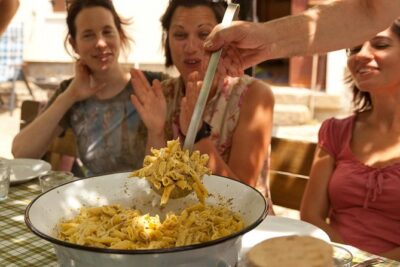
Istria – Truffles: Hunting & Cooking & Tasting, Slovenia
Read our review →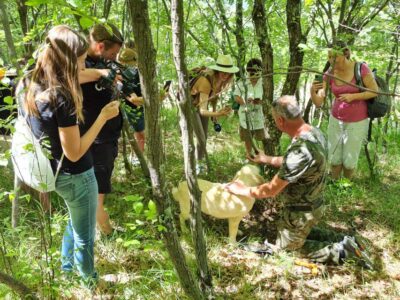
Gažon – Istria: Truffles Hunting & Cooking & Tasting
Read our review →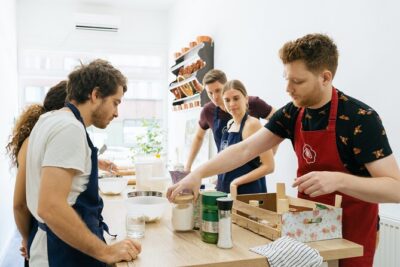
Browse the lists this tour appears in